
Why an Essentials Box Is the Smartest Thing You’ll Pack

When moving day arrives, everything feels a little chaotic—even when you’re well prepared. Boxes are stacked, furniture is being moved, and suddenly, the items you need most are buried somewhere you can’t find. During a household move, those first few hours in your new home can feel overwhelming if you don’t have easy access to everyday necessities. That’s where an essentials box comes in. This one box can make the difference between a stressful first night and a smooth, comfortable transition.

An essentials box is precisely what it sounds like: a clearly labeled box (or suitcase) filled with the items you’ll need right away. It should travel with you, not on the moving truck, and be easy to access the moment you arrive.

What to Include for Day One Comfort

Start with everyday personal items. Pack toiletries like toothbrushes, toothpaste, soap, shampoo, deodorant, and medications. Include a change of clothes for each family member, pajamas, and comfortable shoes. After a long day of moving, having easy access to clean clothes—like a fresh pair of socks—can make a big difference in comfort.

Phones and devices are another must. Add charging cables, portable battery packs, and any essential electronics you rely on daily. Keeping these items together ensures you won’t be scrambling for a charger when your phone battery dips into the red.

Keep Important Documents Handy

Moving is a time when paperwork matters. Place important documents in your essentials box, such as IDs, lease agreements, mortgage paperwork, moving contracts, and insurance information. If something unexpected comes up, you’ll be glad these items are right at your fingertips.

It’s also helpful to include a notebook and pen for jotting down notes, new addresses, or reminders as questions come up during the first few days in your new home.

Simple Tools That Make a Big Difference

You don’t need a complete toolbox, but a few basic tools can be invaluable. Include scissors, a box cutter, a small screwdriver, measuring tape, and a roll of paper towels. These items will help you open boxes, assemble furniture, and handle small tasks without frustration.

Trash bags are another underrated essential. They’re helpful for quick cleanup, discarded packing materials, or even emergency laundry storage.

Kitchen Basics for the First Night

Even if you plan to order takeout, you’ll still want a few kitchen basics: plates, cups, utensils, napkins, and a sponge. Add snacks, bottled water, coffee or tea, and anything else you’ll want right away. If you have kids, include their favorite snacks to help them feel comfortable and settled.

Pet owners should pack food, bowls, leashes, treats, and any medications so pets can stick to their routines as much as possible during the relocation.

Comfort Items That Help You Feel at Home

An essentials box isn’t just about function—it’s about comfort. Include items like hand soap, tissues, a favorite blanket, or a familiar pillow. Small comforts go a long way in making a new space feel welcoming after a long day.

If you have children, pack a few favorite toys, books, or bedtime items to help them relax and sleep well on the first night.

Label It Clearly and Keep It With You

Once your essentials box is packed, label it clearly on all sides. Some people even use a bright-colored box or suitcase so it stands out. Keep it in your personal vehicle, or somewhere it won’t get mixed in with the rest of your belongings.

One Small Box, One Big Stress Saver

An essentials box may seem like a small detail, but it can make your move feel far more manageable. Instead of searching through dozens of boxes, you’ll have everything you need right away, giving you time to breathe and settle in. Planning makes all the difference on moving day. If you want a smoother household move from start to finish, working with an experienced moving team can help you stay organized and stress-free. Our professional movers handle the heavy lifting, logistics, and timing so you can focus on settling into your new home with confidence. Contact us today to schedule your move and let us help make your transition as easy as possible.

No More Pizza Bribes — Just Good Vibes (and a Seamless, Full-Service Move)

Picture this: It’s Saturday morning. You’ve texted your friends to come help move, promising “pizza and beer on me.” Hours later, you’re wedged in the stairwell with a sofa, your best friend’s back is screaming and someone’s already dropped a slice on the carpet.  

Sound familiar? 

We’ve all been there. For decades, the “pizza bribe” was the go-to currency of DIY moving. But bribing friends with greasy food and warm drinks isn’t charming anymore — it’s stressful, risky and, frankly, outdated. 

The Bribe is Dead — and Moves are Being Turned on End 

Moving is one of life’s biggest transitions, and no two experiences are alike. To dig deeper into how people really move, UniGroup, parent company of Mayflower, conducted a nationwide study in June 2025. We surveyed 1,000 adults, each with firsthand experience tackling a DIY move, and more than 600 who had also used a full-service mover.  

Designed to reflect the U.S. population, the study offers a fresh, representative look at what moving means for Americans today. 

We learned nearly one in four people (24%) worry about injuries to loved ones when asking for moving help. And who can blame them? One wrong lift and your buddy who came for pepperoni is leaving with a pulled muscle. 

Add in the awkwardness of navigating bulky furniture through narrow hallways, and the “beer-and-pizza tradition” starts to feel less like a bonding moment and more like a liability. It’s no wonder more people are rethinking the whole DIY ordeal. 

Strained Backs. Strained Friendships. The Leftovers No One Wants. 

Here’s the not-so-secret truth: Moving with friends usually means strained backs, strained friendships and a fridge full of guilt-ridden leftovers. 

The numbers tell the story. 

  • 42% of non–full-service movers say physical strain alone would justify hiring professionals 
  • 32% cite the need for skill with bulky items and tricky spaces 
  • 44% say there are certain life stages when hiring movers just makes sense 

That’s a whole lot of people saying, “Enough is enough.” 

Today’s movers care about their health, their relationships and their peace of mind. They don’t want to risk injury or resentment. They want a solution that lets them actually enjoy moving day instead of dreading it. 

Welcome to the Celebration

Enter Mayflower. We’re here to officially retire the pizza bribe. 

With our full-service moving options, you can skip the heavy lifting, awkward stairwell negotiations and post-move guilt. How? Our trained movers handle the loading, transport and unloading of your belongings. One of our move coordinators will also guide you through Every Step of the Way®. This means you get a safe, professional experience that feels like a celebration and a new beginning.

Want to break in your new home with pizza and beer? Do it on your terms — after the move, when your furniture is already in place and your friends are there to toast, not to haul. 

Whether you’re planning a long-distance relocation (61% of people agree that’s the right time to call in the pros), moving heavy or valuable items (49%),or simply reaching a point in life where “DIY” doesn’t cut it anymore (44%), Mayflower makes moving day less of a chore and more of a milestone.  

From Bribes to Rewards 

We’re not anti-pizza — we’re just anti-back strain. That’s why we recommend replacing the old-school bribe with something better: Curated, local “Welcome Home” experiences, like a neighborhood pie. Better yet, one washed down with sips from a local brewery. 

Think of it as flipping the script. Instead of begging friends to move a couch in exchange for greasy takeout, you get to celebrate your fresh start with food from your new neighborhood, delivered to your doorstep. No heavy lifting required. 

Because moving should be about more than surviving the day — it should be about starting the next chapter on the right foot (with both feet pain-free). 

Good Vibes Only 

We’ll handle the hard stuff so you can focus on what matters — settling into your new home, enjoying good food and sharing real good vibes. 

The tradition is dead. The celebration has arrived. And Mayflower is here to make sure your move feels less like a burden and more like the beginning of something great. 

Health, Distance and Stress: Solid Reasons for a Full-Service, Cross-Country Job Relocation

Relocating for a job is exciting, especially when it means heading across the country. The possibilities of new colleagues, new communities and fresh opportunities are motivating. But before you can start your next chapter, you need to manage another big transition: your move. 

You might be financing the entire cost of your move or utilizing a lump sum provided by your new employer. Either way you might be tempted to DIY – with the help of some besties and a slice or two of pizza. However, there are compelling reasons for hiring a full-service, cross-country mover like Mayflower.

UniGroup, our parent company, recently surveyed 1,000 adults across age, gender, and region who had each completed at least one DIY move. The results shed light on the health, distance, and emotional stress factors that often come with relocating, especially for job-related moves. Notably, more than six in ten respondents said that when moving long-distance or across state or national lines, a full-service move is the clear choice. 

Watch Your Back (and the Rest of Your Body) 

One thing you might be underestimating is the physical toll moving can take. Making your friends or families pack boxes, lift heavy furniture and carry items on and off a truck may sound manageable (not to mention presumptuous), but just a single wrong lift can lead to injuries, pulled muscles or worse. 

A significant percentage (42%) of do-it-yourself movers responding to the survey report that physical strain concerns alone would have justified hiring professionals. A cross-country move amplifies this risk because of the sheer volume of items involved and the extended hours of lifting, hauling and driving. 

Mayflower’s professional crews are trained in proper packing and lifting techniques and come equipped with the right tools — dollies, straps, padding, protective materials and more. Why risk your loved ones’ well-being and the real possibility of starting your new job in less than A-1 shape? 

Prepared to Go the Distance? 

Relocating across the country adds a layer of complexity to any move. Professional long-haul truckers may be perfectly OK driving hundreds of miles and long hours but does this sound like something you’d want to attempt? Between navigating traffic in a vehicle with which you’re not familiar, worrying about how well your pals packed your cargo and the changing weather conditions, you’ll almost certainly be driven — to distraction. And unless you’ve planned the route meticulously — including secure overnight accommodations for you and your rental truck — you might show up your first day at work after little or no downtime.  

Professional movers like Mayflower specialize in long-distance moving. We know how to efficiently plan routes, manage driving schedules and coordinate delivery windows that work for you, giving you confidence your household items will arrive when you need them. With America’s most trusted mover at the wheel, you can focus on what really matters: preparing for your new role and settling into your new city. 

Saving Time and Tempers 

It’s been said that “time is the new currency” and between wrapping up at your current job, saying goodbye to friends and family, and settling into a new home, you won’t have much of it to spare. In fact, 37% of survey respondents told us their moves were on a very tight schedule.  Doing it all yourself makes the crunch even tighter. Do you really want to squander the precious time you have left with packing an entire household of stuff and barking orders to your “DIY buddies”? A professional moving crew from Mayflower can take care of everything, usually in a single day.  

From professional packing and loading to transportation and more, we’re happy to handle the tasks that can take up your time. See our list of full-service moving options

Why Full-Service is Worth It 

Even if they’re given financial help from their employer, some people balk at the cost of full-service moving, assuming DIY (and their friends) will save them money. However, when you factor in the hidden expenses — rental trucks, gas, tolls, lodging, meals on the road, packing supplies and potential medical costs from injuries — the actual costs add up quickly. 

Add to that the intangible value of reducing stress, protecting your health and ensuring your belongings arrive safely — the “business case” for hiring professionals becomes clear. Choosing Mayflower, America’s most trusted mover, isn’t just a convenience — it’s a strategic investment in your future. 

Another Way to Cut Costs 

If you’re a homeowner, Mayflower can help make long-distance moving more affordable through a partnership with CityPointe® Real Estate Services. When you move with Mayflower, you can earn cash back on the sale of your old home and on the purchase of your new home. 

A Fresh Start Without the Hassle 

Starting a new job is a milestone worth celebrating. By entrusting the organization, planning, and transportation to Mayflower’s experienced team, you’ll set yourself up for a healthier, less stressful, and more focused start. 

From “Pivot” to Pizza: How Awkward Items are Driving People to the Pros 

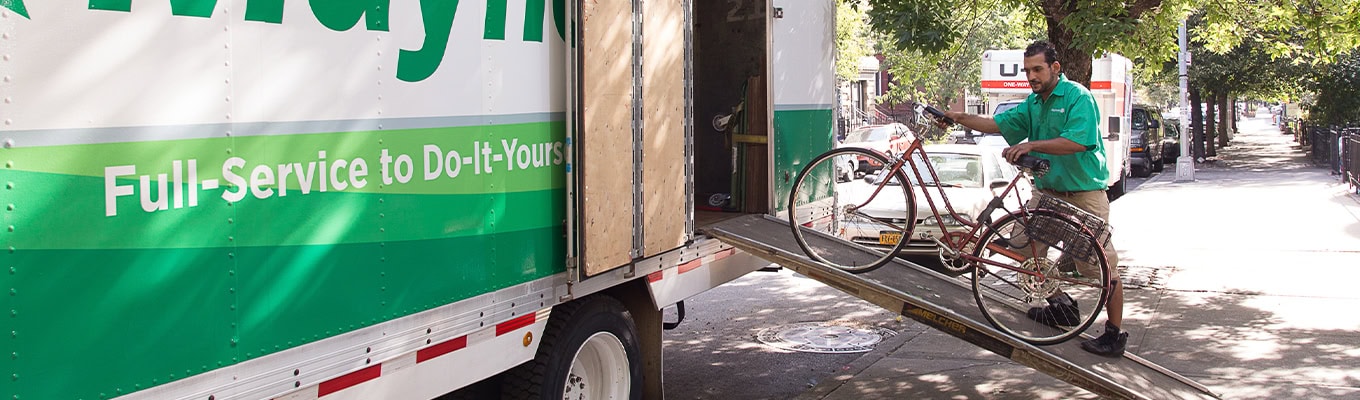
moving truck being loaded

When it comes to move day, it’s the bulky awkward items that often make the process into a serious challenge. “Oh, it’s just a few boxes” can quickly spiral into strained backs — and friendships. That’s why more people are choosing trusted professional movers like Mayflower® to handle the heavy lifting.  

To provide a clear picture of how people move today, UniGroup, the parent company of Mayflower, recently surveyed a diverse group of 1,000 adults by age, gender and region who had each completed at least one DIY move. The results were surprising — and it’s notable that more than 60% of them would consider a full-service move versus a DIY one the next time.  

Awkward Items = Big Headaches 

It’s rarely small boxes that cause hassles. Sofas that won’t squeeze through doorways, mattresses that collapse in every direction or delicate family treasures requiring careful packing and extra care — these are what can turn “moving day” into a nightmare. 

The results from our survey back this up: 

  • 42% of non–full-service movers say physical strain alone would justify hiring professionals 
  • 32% point to the skill needed with bulky items and tricky spaces 
  • 24% admit they worry about injuries to friends and family  

With numbers like these, it’s no wonder people are increasingly turning to full-service moving solutions to get the job done right. 

Skills Over Muscle 

Your bestie can probably be trusted with a small box of kitchen stuff, but moving a sofa up a tight staircase or a dresser on the back of a truck takes skill, equipment and know-how. That’s where full-service movers like Mayflower come in handy. 

At Mayflower, our moving crews are equipped to handle bulky, heavy and delicate pieces — using the right techniques and protective gear to prevent damage to both your items and your home. In most cases, “amateur” efforts won’t be up to the task, and it’s one reason customers consistently say hiring pros is ultimately well worth the investment. 

Protecting Furniture and Friendships  

Of course, reaching out to your buddies for moving help in return for some pizza is one way to get your move done, but it’s a bribe that comes with risks. As the survey points out, nearly one in four people worry about their loved ones getting injured while carrying heavy items. Beyond potential injuries, long moving days can lead to frayed tempers, harsh words and strained relationships. 

With Mayflower, you can take that stress off your shoulders — and theirs. Instead of calling in favors and bribing (mostly unenthusiastic) friends, you can count on movers who are not only skilled but also insured and committed to protecting your household goods every step of the way. 

Mayflower Has (and Saves) Your Back 

Since 1927, Mayflower has been a trusted, dependable moving solution for people who want professional care and attention for their belongings. Our full-service moves are flexible, customized and designed to make the process smoother, safer and less stressful than the DIY alternative: 

  • Expertise with Awkward Items: From pianos to couches to kayaks, we’ve seen — and moved — it all. 
  • Qualified Professionals: You’ll have peace of mind knowing your belongings and home are protected. 
  • Less Strain, Less Stress, Less Mess: Allows your focus on what really matters. 
  • No Hidden Costs: We provide a transparent, customized quote that considers factors such as weight, distance, fuel and special services such as packing/unpackingstorage and car transportation. It’s provided free with no obligation. 
  • No Food Bribes: Don’t call in another favor … or a pizza. Let your pals off the hook and make the time you spend with them painless in every sense of the word. 

Trust and Service Every Step of the Way® 

Awkward items don’t have to lead to awkward situations with your friends and family. With Mayflower, you’ll get a team that knows how to handle every twist, turn and tight space — without risking strained backs or strained friendships. 

Protect Your Tech: Packing Electronics for a Safe Move

Your electronics represent a significant investment, and many hold irreplaceable data. From computers and televisions to gaming systems and smart home devices, these items require special care during your household relocation. With proper preparation and packing techniques, you can ensure your technology arrives ready to use.

Back Up Your Data First

Before you touch a single cord or box, protect your digital files. Use an external hard drive, cloud storage, or both to back up important documents, photos, videos, and files. According to PCWorld, backing up to multiple locations provides the best protection against data loss.

Don’t forget to back up your phone, tablet, and other mobile devices. Store account information and passwords separately from your devices.

Gather Your Packing Materials

Quality packing supplies make all the difference. You’ll need sturdy boxes slightly larger than your devices, bubble wrap or foam padding, packing paper, strong packing tape, and cable ties. If you still have the original boxes for your electronics, use them.

Use anti-static bubble wrap whenever possible, as regular bubble wrap can generate static electricity that can damage components. Avoid using newspaper directly on screens.

Prepare Your Devices

Unplug your electronics at least 24 hours before packing them. This cooling-down period prevents internal damage. Take photos of how cables connect before disconnecting anything. These pictures will save you time when setting up in your new home.

Remove all media from devices. Eject CDs, DVDs, and game discs. Remove batteries from remotes to prevent leaks. Remove ink cartridges from printers and seal them in plastic bags.

Organize and Label Cables

Cable chaos is one of the biggest unpacking headaches. Use colored stickers or tape to mark both ends of each cable. Wrap each cord with a twist tie, place them in labeled plastic bags, and pack them with their devices.

Consider creating a simple numbering system. Write “TV-1” on the television and “TV-1” on the bag containing its cables and remote. This keeps everything organized.

Pack With Extra Protection

Wrap each device individually in bubble wrap or foam padding. For screens, cut cardboard to fit over the display before wrapping. Place wrapped items in boxes with at least two inches of padding on all sides. Fill empty spaces with packing paper or foam peanuts to prevent shifting.

Always pack televisions and monitors upright, never flat. For computers, remove external components and pack them separately.

Special Considerations for Specific Electronics

Laptops need extra protection. Remove them from their cases, wrap them in protective sleeves, add bubble wrap, and place them in padded boxes. Keep laptops and other high-value electronics with you during the move if possible.

Gaming consoles should be treated like computers. Remove game discs, wrap controllers separately, and pack all components together.

Label Everything Clearly

Mark boxes containing electronics as “Fragile” and “This Side Up” on multiple sides. Create a master list of which electronics are in each box. This inventory helps you verify everything arrived safely.

Think About Temperature

Electronics are sensitive to all extreme temperatures and humidity. If you’re using storage before or after your move, choose a climate-controlled unit. When you arrive at your new home, let electronics adjust to room temperature for a few hours before plugging them in.

Unpack With Care

When unpacking, work slowly and refer to the photos you took during disconnection. Test each device after setup to confirm everything works properly. Keep all packing materials until you’ve verified your electronics are functioning correctly.

Technology That Travels

Taking the time to pack your electronics adequately protects your investment and ensures you can enjoy your devices right away in your new home.

Contact us today to learn how our professional moving services can help you safely transport your valuable electronics and other belongings to your new location.

Moving While Expecting: A Guide for Soon-to-Be Parents

Moving to a new home is a big step for anyone, but when you’re expecting a baby, it requires extra planning and care. Between managing pregnancy symptoms and preparing for your new arrival, relocating can feel overwhelming. With thoughtful preparation and the proper support, you can navigate your household move safely and successfully.

Talk to Your Doctor First

Before you start packing boxes or lifting anything, schedule a conversation with your healthcare provider. They can provide personalized guidance tailored to your pregnancy stage and any specific concerns. Be honest about your moving timeline. If you have pregnancy complications, your doctor might recommend limiting your physical involvement.

Plan Your Timeline Carefully

The second trimester is typically the easiest time to move. Morning sickness has usually passed, energy levels are higher, and you’re not yet experiencing late-pregnancy discomfort. If you can control when you move, aim for this window.

Start planning early so you don’t rush. Create a realistic schedule with plenty of breaks. Remember that fatigue can hit without warning during pregnancy, so build extra time into your plans.

Know Your Lifting Limits

Heavy lifting poses risks during pregnancy. According to the American Pregnancy Association, proper lifting technique becomes crucial. Bend at your knees, keep items close, and avoid twisting movements.

Better yet, leave the heavy lifting to others. Ask family, friends, or professional movers to handle boxes and furniture. This isn’t the time to prove how strong you are.

Delegate the Heavy Tasks

Hiring professional movers becomes even more valuable when you’re pregnant. They can handle the physically demanding work while you focus on lighter organizing tasks and taking care of yourself. If professional movers aren’t in your budget, recruit friends and family to help.

Pack Smart and Light

When you do pack, focus on sorting and organizing rather than carrying heavy boxes. Pack one room at a time and label everything clearly. Use smaller boxes so they’re lighter.

Create an essentials bag with pregnancy-related supplies, medications, comfortable clothes, and snacks. Keep this bag with you throughout the move.

Mind the Nesting Instinct

Many expectant mothers experience the nesting instinct, especially in the third trimester. This urge to organize can be helpful during a move, but don’t let it drive you to overdo it. Channel that energy into planning and light organizing rather than physical labor.

Take Frequent Breaks

Listen to your body throughout the moving process. Take regular breaks to rest, eat, and hydrate. Moving while pregnant isn’t a race. Set up a comfortable spot where you can sit and supervise rather than doing everything yourself.

Avoid Harmful Substances

Steer clear of harsh cleaning chemicals, paint fumes, and strong fragrances. If your new home needs painting or deep cleaning, arrange for someone else to handle these tasks while you’re away. Choose natural cleaning products when possible.

Update Your Healthcare Provider

If you’re moving to a new area, research obstetricians and hospitals in your new location. Transfer your medical records and schedule your first appointment as soon as possible. Know where the nearest hospital is. Pack your hospital bag early, just in case the baby decides to arrive during or shortly after the move.

Moving Forward With Care

Relocating while pregnant requires extra patience and planning, but it’s manageable with the right approach. Focus on your health and your baby’s wellbeing above everything else. Contact us today to see how our moving services can make your relocation easier and safer for you and your growing family.

Local or Long-Distance: Understanding Your Moving Options

When planning a move, one of the first things to determine is whether you’re relocating locally or long-distance. The difference isn’t just about miles. These two types of moves have different costs, timelines, and planning needs. Understanding what makes your household move a local or long-distance one, helps you prepare better.

What Makes a Move Local or Long Distance?

A local move usually means you’re staying within the same state or moving less than 100 miles. You might be moving across town, to a nearby suburb, or to another city in your state.

A long-distance move typically means crossing state lines or moving more than 100 miles away. This includes moves to another state or across the country.

How Moving Companies Charge

Local moves are usually charged by the hour. The moving company calculates the cost based on the number of movers required and the duration of the job. This includes travel time, loading, driving, and unloading.

Long-distance moves are generally priced differently. Moving companies typically charge based on the weight of your belongings and the distance you’re moving. Some companies may also factor in the amount of space your items take up in the truck.

Timeline Differences

Local moves can often be completed in a single day. You might pack one morning, load the truck, drive to your new place, and unload everything by evening. Some people even make multiple trips if they’re moving a short distance.

Long-distance moves take more time. After loading your belongings, the moving truck needs several days or even weeks to reach your new home, depending on the distance. Your items might share truck space with other shipments, which can affect delivery timing.

Planning and Preparation

For local moves, you can be more flexible with your planning. You might keep using your dishes and clothes until the last minute because you can access your new home quickly. You can also make extra trips if you forget something.

Long-distance moves need more advance planning. You’ll want to book your moving company several weeks or months ahead, especially during the busy moving season. You’ll also need to pack everything at once, as it won’t be easy to go back for forgotten items.

Inventory and Insurance

For local moves, create a simple checklist of your major items. The moving company may offer basic coverage, but detailed inventory isn’t always necessary.

Long-distance moves typically require a detailed inventory. The moving company will list all your items before loading. This protects both you and the movers. You’ll also want to consider additional insurance, as your belongings will be on the road for an extended period.

Costs to Consider

Local moves generally cost less because they require less time and fuel. You’re typically looking at a few hundred to a few thousand dollars, depending on the size of your home.

Long-distance moves are more expensive due to the distance, fuel, and time required. Costs can range from a few thousand dollars to over ten thousand for large homes or coast-to-coast moves.

Choosing the Right Moving Company

For local moves, look for companies with good reviews in your area. They should be licensed and insured within your state.

For long-distance moves, make sure the company is licensed for interstate moves. They should have a USDOT number from the Federal Motor Carrier Safety Administration. This helps protect you in case any problems arise.

Making Your Move Work for You

Whether you’re moving locally or long-distance, understanding the differences helps you plan more effectively and avoid surprises. Each type of move has its own advantages and challenges. The key is knowing what to expect and preparing accordingly. Contact us to learn how we can help with your local or long-distance move.

Moving with Teens: How to Help Teenagers Adjust to Relocation

Moving is challenging at any age, but for teenagers, it can feel tough. They’re leaving friends, schools, and familiar places during a time when fitting in means everything. While you can’t eliminate all the challenges, you can help your teen navigate this transition during your household relocation.

Have Honest Conversations Early

Tell your teenager about the move as soon as you know it’s happening. Give them time to process the news and express their feelings. Listen to their concerns without dismissing them, even if some worries seem minor to you.

Explain the reasons for the move in age-appropriate terms. If it’s for a job opportunity or family reasons, help them understand why this decision makes sense for the family.

Acknowledge Their Feelings

Your teen might be angry, sad, or scared about the move. These feelings are valid. Let them know it’s normal to feel upset about leaving their life behind. Avoid phrases like “You’ll make new friends easily” or “It’s not that bad.” These comments can make teens feel like their feelings don’t matter.

Involve Them in Planning

Give your teenager some control over the move. Let them help with researching your new home, or at least show them pictures and videos of potential places. Ask for their input on which neighborhood features matter most to them.

Have them research the new area online. They can look up local hangouts, sports teams, clubs, and events that interest them. This helps them feel more connected to the new location before they even move.

Help Them Stay Connected to Friends

Leaving friends is often the most challenging part of moving for teens. Help them plan ways to stay in touch through video calls, texts, and social media. If possible, arrange visits back to see friends or invite friends to visit your new home. Before you move, encourage your teen to exchange contact information with their closest friends.

Research the New School Together

Starting at a new school causes significant stress for teenagers. Visit the new school with your teen before the move. Take a tour, meet teachers or counselors, and learn about clubs and activities they might join. Help your teen get their class schedule and any information about dress codes, sports teams, or extracurricular activities before the first day.

Encourage Them to Join Activities

The fastest way to make friends is through shared interests. Encourage your teen to join clubs, sports teams, or other activities as soon as possible. This gives them a built-in group of people with similar interests. Don’t force them into activities they’re not interested in, but gently encourage them to try at least one or two things.

Give Them Space to Decorate

Let your teenager set up their new room however they want. Having a space that feels like theirs helps them adjust to the new house. If possible, let them choose paint colors or decorations for their room. Setting up their room first can give them a comfortable retreat while the rest of the house is still in boxes.

Explore the New Area Together

Take time to explore your new neighborhood and town with your teen. Find the local hangouts, coffee shops, parks, and entertainment venues. Ask them what places they’d like to check out. 

Keep an Eye Out for Big Changes

It’s normal for teens to have a few bumps in the road as they adjust. But if you notice big shifts that stick around, like changes in how they eat or sleep, grades slipping, pulling away from everything, or losing interest in favorite hobbies, it might be time to chat with a counselor or therapist. A little extra support can make a world of difference!

Be Patient with the Process

Adjusting to a move takes time, and teenagers often require more time to settle in than younger children. Don’t expect your teen to bounce back immediately or to be happy about the move right away. Keep checking in with them regularly. Ask how they’re doing and really listen to their answers.

Moving Forward Together

Moving with teenagers requires patience, understanding, and open communication. While the adjustment might take time, most teens eventually settle into their new environment and even find opportunities they wouldn’t have had otherwise. Contact us to learn how our moving services can make your family’s transition smoother.

Kitchen Packing Made Easy: How to Pack Your Kitchen for a Move

Your kitchen can be a tricky room to pack. You have fragile dishes, heavy pots, sharp knives, and all sorts of odd-shaped items. But with the right approach, you can pack your kitchen safely and efficiently for your household relocation.

Start by Sorting and Decluttering

Before you pack anything, go through your kitchen and decide what you really need. Check expiration dates on food and spices. Look for duplicate items like that third can opener or extra set of measuring cups. Donate items you haven’t used in the past year.

Get rid of food that won’t make the trip. Most movers won’t transport open food items, so plan to use up perishables before moving day. Donate unopened non-perishable items to a local food bank.

Gather the Right Packing Supplies

You’ll need sturdy moving boxes in various sizes to pack up your kitchenware. Small boxes work best for heavy items like dishes and canned goods. Medium boxes are suitable for pots, pans, and small appliances. Get plenty of packing paper, bubble wrap, and tape.

You might also want dish pack boxes, which are extra strong and designed for fragile items. These boxes have double walls and can handle the weight of dishes and glassware better than regular boxes.

Pack Heavy Items in Small Boxes

Place your heaviest kitchen items, such as canned goods, bottled items, and cookbooks, in small boxes. This keeps the boxes from getting too heavy to lift. Never pack heavy items in large boxes, as they can break open or be too difficult to carry. Fill any empty spaces with dish towels or packing paper to keep items from shifting.

Wrap Dishes and Glassware Carefully

Wrap each plate individually with packing paper or bubble wrap. Stack plates vertically in the box like records rather than flat. This is actually stronger and helps prevent breaking. Place heavier plates on the bottom and lighter ones on top.

For glasses and cups, stuff the inside with crumpled paper for support, then wrap the outside. Place them upright in the box with the rim facing up. Fill the gaps between glasses with more packing paper to prevent movement.

Pack Pots, Pans, and Appliances

Nest pots and pans inside each other to save space. Place a layer of packing paper between each piece to prevent scratching. Wrap lids separately and place them on the side of the box.

For small appliances, use their original boxes if you still have them. If not, wrap them in bubble wrap and pack them snugly in boxes with padding around them. Before packing, make sure to clean the appliances thoroughly.

Handle Sharp Items with Care

Wrap knives individually in several layers of packing paper, then secure with tape. Bundle them together and clearly mark the bundle as containing sharp objects. Never pack loose knives or place them with blades pointing up. Place the wrapped knives in a box marked “Fragile” and “Sharp Objects” so everyone knows to handle them carefully.

Create an Essentials Box

Pack a separate essentials box with items you’ll need right away in your new kitchen. Include paper plates, cups, plastic utensils, dish soap, sponges, trash bags, paper towels, and basic snacks. Add a pot, a pan, and a few essential cooking tools. Keep this box with you during the move so you can prepare simple meals without unpacking everything right away.

Label Everything Clearly

Mark each moving carton with its contents and the room it belongs to. Be specific on boxes with fragile items. Write “Fragile,” “This Side Up,” or “Handle with Care” in large letters on multiple sides of the box.

Simple Kitchen, Simple Move

Packing your kitchen doesn’t have to be overwhelming. Take it one cabinet at a time, protect your fragile items well, and label everything clearly. With good planning and the right supplies, your kitchen items will arrive safely at your new home. Contact us for professional moving services that take the stress out of your relocation.

Moving with Your Best Friend: A Guide to Relocating with Dogs

Your dog is part of the family, so their comfort matters just as much as everyone else’s during a household move. Dogs can sense when something big is happening, and all the changes might make them anxious. With some planning and patience, you can help your furry friend adjust to the move and settle into your new home.

Visit the Vet Before You Move

Schedule a checkup with your vet before moving day. Make sure your dog’s vaccinations are current and ask for copies of their medical records. If you’re moving to a different state, find out if there are any specific health requirements you need to meet.

This is also a good time to ask your vet for recommendations in your new area. They might know other veterinarians or be able to point you to resources for finding a new vet. If your dog gets nervous during travel, talk to your vet about whether medication might help.

Update ID Tags and Microchip Information

Before you move, order a new ID tag with your new address and phone number. Keep your old tag on until you’ve moved, then switch to the new one right away. If your dog has a microchip, update the contact information in the registry as soon as you know your new address.

During a move, dogs can get spooked and might try to run. Having current contact information could make all the difference if your dog gets lost.

Keep Your Dog’s Routine as Normal as Possible

Dogs like routine. Try to keep feeding times, walks, and bedtime the same, even when everything else is changing. This helps your dog feel secure when their world is being turned upside down.

Pack a bag with your dog’s essentials, including food, water, bowls, leash, waste bags, toys, and bedding. Keep this bag with you during the move so your dog has familiar items nearby.

Plan for Moving Day

Moving day can be chaotic with people coming and going and doors staying open. This isn’t safe for dogs. Consider asking a friend or family member watch your dog for the day, or set up a quiet room where your dog can stay away from all the activity.

If your dog stays with you during the move, keep them in a secure area with their bed, toys, and water. Put a sign on the door so movers know not to open it. Check on your dog regularly to make sure they’re doing okay.

Introduce Your Dog to the New Home Slowly

When you arrive at your new place, take your dog for a walk around the neighborhood first. Let them sniff around and get used to the new smells. This helps them burn off energy and start building positive connections with the new area.

Once inside, show your dog around one room at a time. Set up their bed, bowls, and toys in a quiet spot where they can relax. Having familiar items in the new space helps them feel more at home.

Stick to Routines in Your New Home

In the first few weeks, maintain your dog’s regular schedule. Take walks at the same times and feed them on their usual schedule. This consistency helps your dog understand that even though the location changed, their daily life is still predictable.

Spend extra time with your dog during this adjustment period. Play with them, give them attention, and reassure them that everything is okay. Some dogs adapt quickly, while others need more time. Be patient and let your dog adjust at their own pace.

Explore the New Neighborhood Together

Take daily walks to help your dog learn the new area. Find the nearest park or dog-friendly spaces where they can play and meet other dogs. This allows your dog to feel more comfortable and gives them a chance to make new friends.

Look for a local dog park or pet store where you can meet other dog owners. These connections can help both you and your dog settle into the community.

Watch for Signs of Stress

Some dogs show stress through changes in behavior. Watch for excessive barking, accidents in the house, changes in eating habits, or unusual clinginess. These are normal responses to a significant change, but if they continue for more than a few weeks, talk to your vet.

Give your dog extra patience during this time. They’re dealing with a lot of new information and need time to feel secure again.

Your Partner in Moving

Moving with a dog takes extra planning, but it’s worth the effort to keep your pet comfortable and safe. With preparation and patience, your dog will adjust to their new home and be back to their happy self. Contact us today to learn how we can make your family’s move easier.