

From “Pivot” to Pizza: How Awkward Items are Driving People to the Pros 

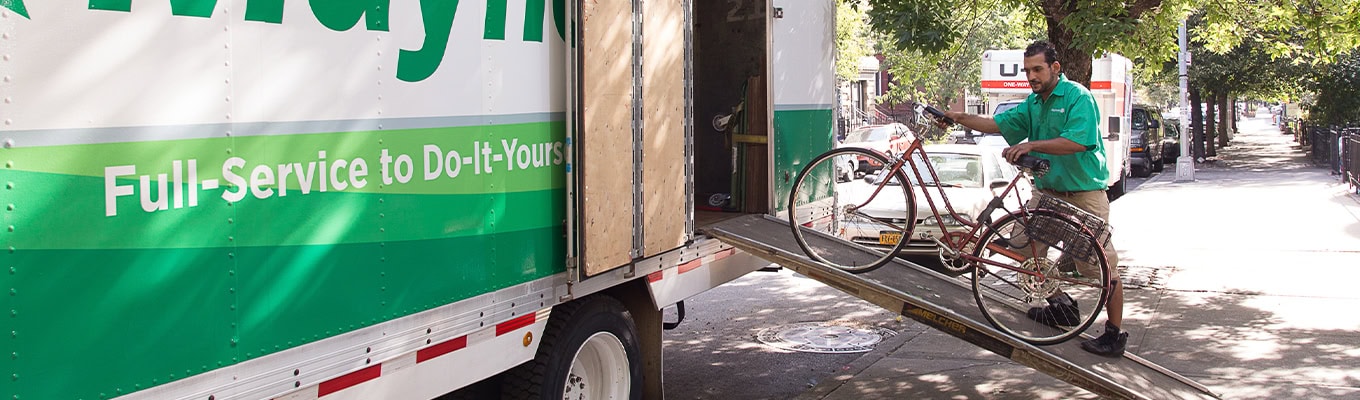
moving truck being loaded

When it comes to move day, it’s the bulky awkward items that often make the process into a serious challenge. “Oh, it’s just a few boxes” can quickly spiral into strained backs — and friendships. That’s why more people are choosing trusted professional movers like Mayflower® to handle the heavy lifting.  

To provide a clear picture of how people move today, UniGroup, the parent company of Mayflower, recently surveyed a diverse group of 1,000 adults by age, gender and region who had each completed at least one DIY move. The results were surprising — and it’s notable that more than 60% of them would consider a full-service move versus a DIY one the next time.  

Awkward Items = Big Headaches 

It’s rarely small boxes that cause hassles. Sofas that won’t squeeze through doorways, mattresses that collapse in every direction or delicate family treasures requiring careful packing and extra care — these are what can turn “moving day” into a nightmare. 

The results from our survey back this up: 

  • 42% of non–full-service movers say physical strain alone would justify hiring professionals 
  • 32% point to the skill needed with bulky items and tricky spaces 
  • 24% admit they worry about injuries to friends and family  

With numbers like these, it’s no wonder people are increasingly turning to full-service moving solutions to get the job done right. 

Skills Over Muscle 

Your bestie can probably be trusted with a small box of kitchen stuff, but moving a sofa up a tight staircase or a dresser on the back of a truck takes skill, equipment and know-how. That’s where full-service movers like Mayflower come in handy. 

At Mayflower, our moving crews are equipped to handle bulky, heavy and delicate pieces — using the right techniques and protective gear to prevent damage to both your items and your home. In most cases, “amateur” efforts won’t be up to the task, and it’s one reason customers consistently say hiring pros is ultimately well worth the investment. 

Protecting Furniture and Friendships  

Of course, reaching out to your buddies for moving help in return for some pizza is one way to get your move done, but it’s a bribe that comes with risks. As the survey points out, nearly one in four people worry about their loved ones getting injured while carrying heavy items. Beyond potential injuries, long moving days can lead to frayed tempers, harsh words and strained relationships. 

With Mayflower, you can take that stress off your shoulders — and theirs. Instead of calling in favors and bribing (mostly unenthusiastic) friends, you can count on movers who are not only skilled but also insured and committed to protecting your household goods every step of the way. 

Mayflower Has (and Saves) Your Back 

Since 1927, Mayflower has been a trusted, dependable moving solution for people who want professional care and attention for their belongings. Our full-service moves are flexible, customized and designed to make the process smoother, safer and less stressful than the DIY alternative: 

  • Expertise with Awkward Items: From pianos to couches to kayaks, we’ve seen — and moved — it all. 
  • Qualified Professionals: You’ll have peace of mind knowing your belongings and home are protected. 
  • Less Strain, Less Stress, Less Mess: Allows your focus on what really matters. 
  • No Hidden Costs: We provide a transparent, customized quote that considers factors such as weight, distance, fuel and special services such as packing/unpackingstorage and car transportation. It’s provided free with no obligation. 
  • No Food Bribes: Don’t call in another favor … or a pizza. Let your pals off the hook and make the time you spend with them painless in every sense of the word. 

Trust and Service Every Step of the Way® 

Awkward items don’t have to lead to awkward situations with your friends and family. With Mayflower, you’ll get a team that knows how to handle every twist, turn and tight space — without risking strained backs or strained friendships. 

Protect Your Tech: Packing Electronics for a Safe Move

Your electronics represent a significant investment, and many hold irreplaceable data. From computers and televisions to gaming systems and smart home devices, these items require special care during your household relocation. With proper preparation and packing techniques, you can ensure your technology arrives ready to use.

Back Up Your Data First

Before you touch a single cord or box, protect your digital files. Use an external hard drive, cloud storage, or both to back up important documents, photos, videos, and files. According to PCWorld, backing up to multiple locations provides the best protection against data loss.

Don’t forget to back up your phone, tablet, and other mobile devices. Store account information and passwords separately from your devices.

Gather Your Packing Materials

Quality packing supplies make all the difference. You’ll need sturdy boxes slightly larger than your devices, bubble wrap or foam padding, packing paper, strong packing tape, and cable ties. If you still have the original boxes for your electronics, use them.

Use anti-static bubble wrap whenever possible, as regular bubble wrap can generate static electricity that can damage components. Avoid using newspaper directly on screens.

Prepare Your Devices

Unplug your electronics at least 24 hours before packing them. This cooling-down period prevents internal damage. Take photos of how cables connect before disconnecting anything. These pictures will save you time when setting up in your new home.

Remove all media from devices. Eject CDs, DVDs, and game discs. Remove batteries from remotes to prevent leaks. Remove ink cartridges from printers and seal them in plastic bags.

Organize and Label Cables

Cable chaos is one of the biggest unpacking headaches. Use colored stickers or tape to mark both ends of each cable. Wrap each cord with a twist tie, place them in labeled plastic bags, and pack them with their devices.

Consider creating a simple numbering system. Write “TV-1” on the television and “TV-1” on the bag containing its cables and remote. This keeps everything organized.

Pack With Extra Protection

Wrap each device individually in bubble wrap or foam padding. For screens, cut cardboard to fit over the display before wrapping. Place wrapped items in boxes with at least two inches of padding on all sides. Fill empty spaces with packing paper or foam peanuts to prevent shifting.

Always pack televisions and monitors upright, never flat. For computers, remove external components and pack them separately.

Special Considerations for Specific Electronics

Laptops need extra protection. Remove them from their cases, wrap them in protective sleeves, add bubble wrap, and place them in padded boxes. Keep laptops and other high-value electronics with you during the move if possible.

Gaming consoles should be treated like computers. Remove game discs, wrap controllers separately, and pack all components together.

Label Everything Clearly

Mark boxes containing electronics as “Fragile” and “This Side Up” on multiple sides. Create a master list of which electronics are in each box. This inventory helps you verify everything arrived safely.

Think About Temperature

Electronics are sensitive to all extreme temperatures and humidity. If you’re using storage before or after your move, choose a climate-controlled unit. When you arrive at your new home, let electronics adjust to room temperature for a few hours before plugging them in.

Unpack With Care

When unpacking, work slowly and refer to the photos you took during disconnection. Test each device after setup to confirm everything works properly. Keep all packing materials until you’ve verified your electronics are functioning correctly.

Technology That Travels

Taking the time to pack your electronics adequately protects your investment and ensures you can enjoy your devices right away in your new home.

Contact us today to learn how our professional moving services can help you safely transport your valuable electronics and other belongings to your new location.

Moving While Expecting: A Guide for Soon-to-Be Parents

Moving to a new home is a big step for anyone, but when you’re expecting a baby, it requires extra planning and care. Between managing pregnancy symptoms and preparing for your new arrival, relocating can feel overwhelming. With thoughtful preparation and the proper support, you can navigate your household move safely and successfully.

Talk to Your Doctor First

Before you start packing boxes or lifting anything, schedule a conversation with your healthcare provider. They can provide personalized guidance tailored to your pregnancy stage and any specific concerns. Be honest about your moving timeline. If you have pregnancy complications, your doctor might recommend limiting your physical involvement.

Plan Your Timeline Carefully

The second trimester is typically the easiest time to move. Morning sickness has usually passed, energy levels are higher, and you’re not yet experiencing late-pregnancy discomfort. If you can control when you move, aim for this window.

Start planning early so you don’t rush. Create a realistic schedule with plenty of breaks. Remember that fatigue can hit without warning during pregnancy, so build extra time into your plans.

Know Your Lifting Limits

Heavy lifting poses risks during pregnancy. According to the American Pregnancy Association, proper lifting technique becomes crucial. Bend at your knees, keep items close, and avoid twisting movements.

Better yet, leave the heavy lifting to others. Ask family, friends, or professional movers to handle boxes and furniture. This isn’t the time to prove how strong you are.

Delegate the Heavy Tasks

Hiring professional movers becomes even more valuable when you’re pregnant. They can handle the physically demanding work while you focus on lighter organizing tasks and taking care of yourself. If professional movers aren’t in your budget, recruit friends and family to help.

Pack Smart and Light

When you do pack, focus on sorting and organizing rather than carrying heavy boxes. Pack one room at a time and label everything clearly. Use smaller boxes so they’re lighter.

Create an essentials bag with pregnancy-related supplies, medications, comfortable clothes, and snacks. Keep this bag with you throughout the move.

Mind the Nesting Instinct

Many expectant mothers experience the nesting instinct, especially in the third trimester. This urge to organize can be helpful during a move, but don’t let it drive you to overdo it. Channel that energy into planning and light organizing rather than physical labor.

Take Frequent Breaks

Listen to your body throughout the moving process. Take regular breaks to rest, eat, and hydrate. Moving while pregnant isn’t a race. Set up a comfortable spot where you can sit and supervise rather than doing everything yourself.

Avoid Harmful Substances

Steer clear of harsh cleaning chemicals, paint fumes, and strong fragrances. If your new home needs painting or deep cleaning, arrange for someone else to handle these tasks while you’re away. Choose natural cleaning products when possible.

Update Your Healthcare Provider

If you’re moving to a new area, research obstetricians and hospitals in your new location. Transfer your medical records and schedule your first appointment as soon as possible. Know where the nearest hospital is. Pack your hospital bag early, just in case the baby decides to arrive during or shortly after the move.

Moving Forward With Care

Relocating while pregnant requires extra patience and planning, but it’s manageable with the right approach. Focus on your health and your baby’s wellbeing above everything else. Contact us today to see how our moving services can make your relocation easier and safer for you and your growing family.